

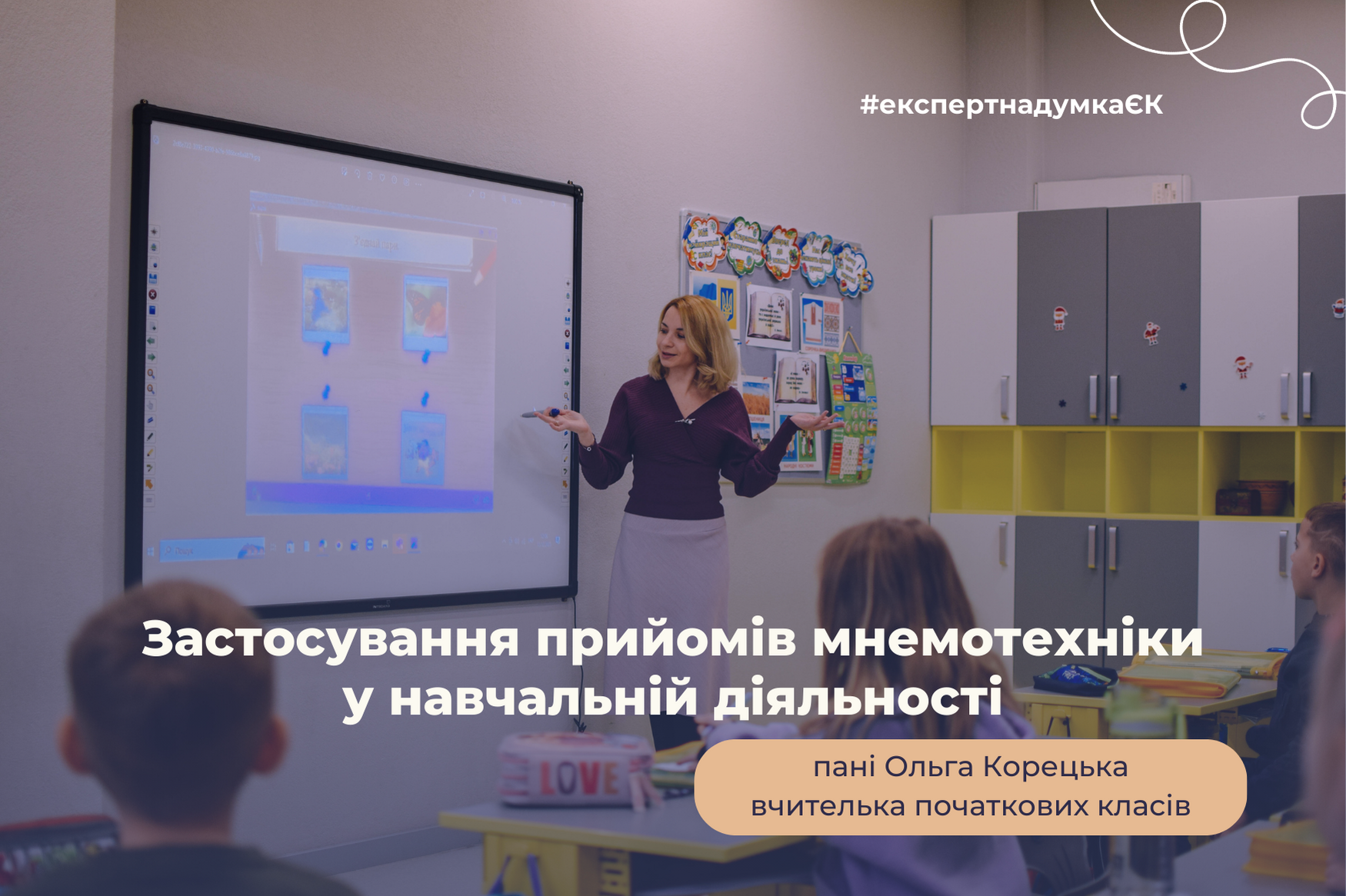
Modern learning requirements require a constant increase in the amount of information for students. However, it should be important for the teacher to preserve the psychological health of children and prevent information overload.
Using the natural abilities of children, mnemonic techniques improve the assimilation of complex information and increase the duration of its retention. After all, it is memory that is particularly burdened in the learning process. If children have to passively listen to long explanations from adults, their attention quickly drops, and they switch to something else. Mnemonic exercises are based on the mental activity of students, which is always supported by practical actions.
Need to learn a poem by heart? Consecutive associations that clearly reflect its content will help. These can be drawings, photos from the Internet, pictograms. Over time, you can teach children to independently create informational plot clues.
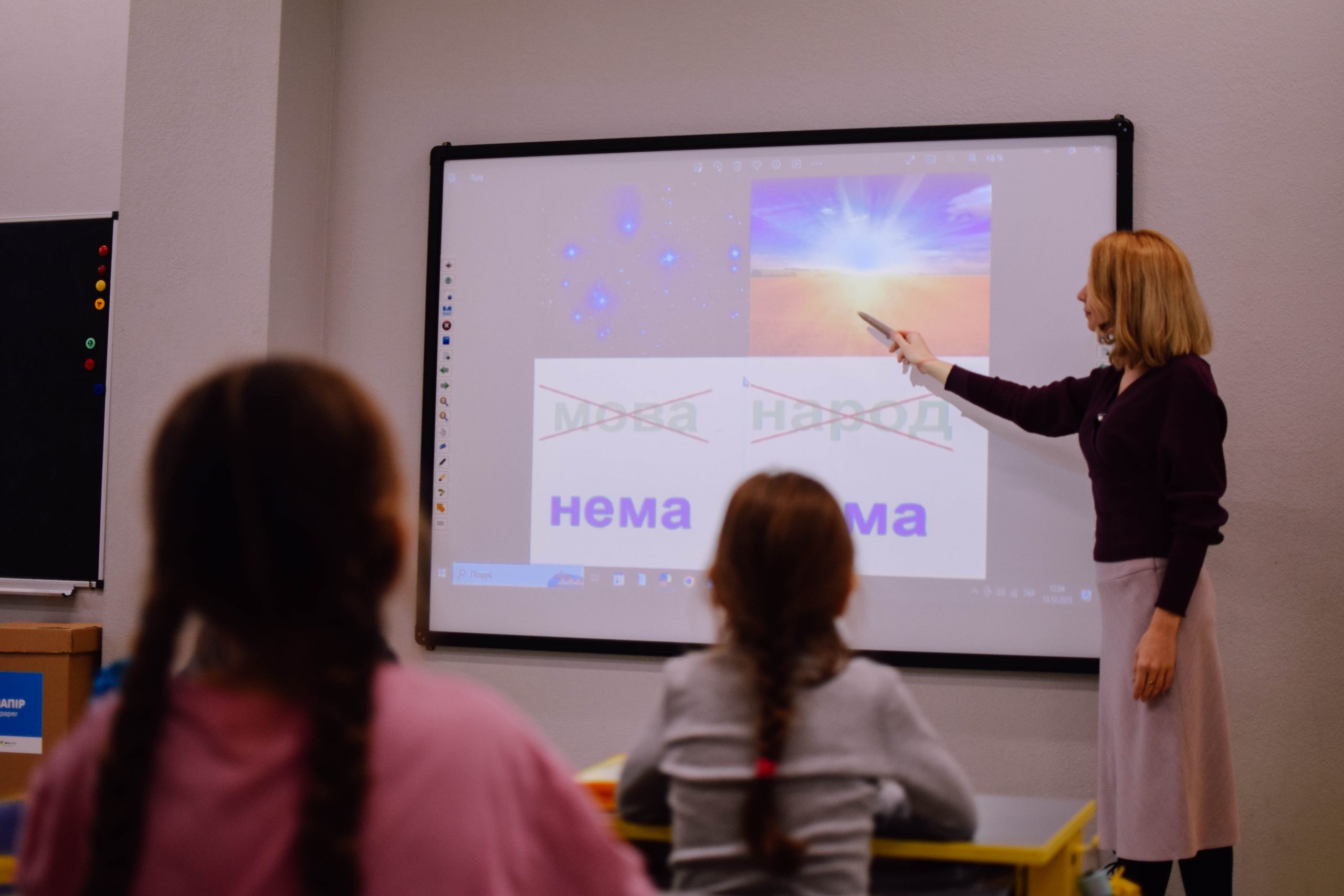
In elementary school, children have to memorize many rules, new terms, formulas. Instead of boring “memorization”, we can supplement the rules with motor elements, and now the process of memorization turns into an interesting game or a physical moment. Students are in a state of positive joyful tension, confidence in their own abilities appears.
Students happily use the “First Letter” technique in lessons. This is an associative connection between the first letters of words of a specially created sentence or story. An example is the method of memorizing the sequence of rainbow colors: “Why Do Penguins Live in Winter Without Their Fantasies?”
With the help of mnemonics, schoolchildren can easily memorize digital information. At the same time, we suggest paying attention to the similarity of each number with certain images. For example, when students begin to learn the multiplication table. To memorize a series of numbers, you can create a funny story.
Such techniques develop the imagination and logical thinking of children. They form skills in working with accurate information, develop self-study skills. Students get used to setting an educational goal and strive to achieve it. The assimilation of new information turns into an interesting and exciting process.

